Recovering From The Depths Of An Eating Disorder
Eugenia Cooney Healthy
Eugenia Cooney is a popular YouTuber and social media personality known for her fashion and beauty content. In recent years, she has been open about her struggles with an eating disorder and her journey to recovery. Cooney's story has inspired many people who are struggling with similar issues, and she has become a role model for those who are seeking help.
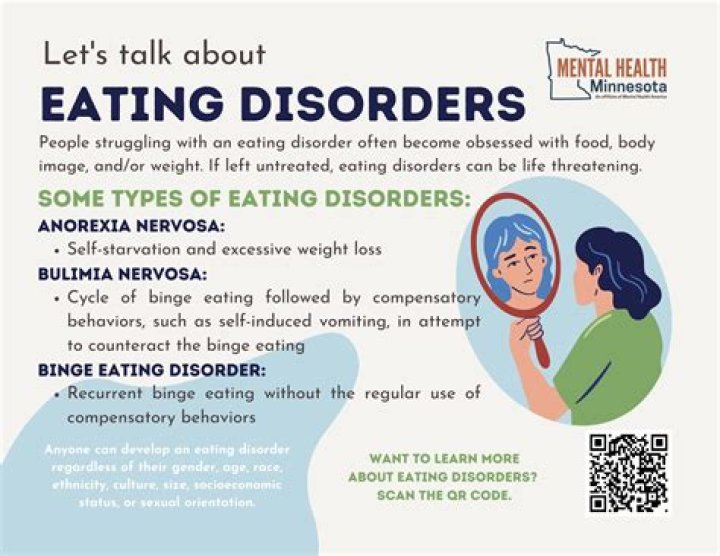
Eating disorders are serious mental illnesses that can have devastating consequences. They are characterized by a disturbance in eating behavior, such as restricting food intake, binge eating, or purging. Eating disorders can lead to a number of health problems, including malnutrition, heart disease, and stroke. They can also be fatal.
Cooney's story is a reminder that eating disorders can affect anyone, regardless of their age, gender, or background. It is also a reminder that recovery is possible. With the right help, people with eating disorders can overcome their illness and live full and healthy lives.
If you or someone you know is struggling with an eating disorder, please reach out for help. There are many resources available to help you get the treatment you need.
Eugenia Cooney Healthy
Eugenia Cooney is a popular YouTuber and social media personality known for her fashion and beauty content. In recent years, she has been open about her struggles with an eating disorder and her journey to recovery. Cooney's story has inspired many people who are struggling with similar issues, and she has become a role model for those who are seeking help.
- Eating disorders are serious mental illnesses that can have devastating consequences.
- Eating disorders can affect anyone, regardless of their age, gender, or background.
- Recovery from an eating disorder is possible with the right help.
- Cooney's story is a reminder that eating disorders are a serious issue that should not be ignored.
- Cooney's story is also a reminder that recovery is possible, and that those who are struggling with an eating disorder should not give up hope.
- If you or someone you know is struggling with an eating disorder, please reach out for help.
Eating disorders are a serious issue, but recovery is possible. If you or someone you know is struggling with an eating disorder, please reach out for help. There are many resources available to help you get the treatment you need.
Eating disorders are serious mental illnesses that can have devastating consequences.
Eugenia Cooney is a popular YouTuber and social media personality known for her fashion and beauty content. In recent years, she has been open about her struggles with an eating disorder and her journey to recovery. Cooney's story is a reminder that eating disorders are a serious issue that should not be ignored.
- Facet 1: Eating disorders are mental illnesses
Eating disorders are not a choice. They are serious mental illnesses that can have devastating consequences. People with eating disorders may have a distorted body image, and they may engage in unhealthy behaviors such as restricting food intake, binge eating, or purging. These behaviors can lead to malnutrition, heart disease, stroke, and even death.
- Facet 2: Eating disorders can affect anyone
Eating disorders can affect anyone, regardless of their age, gender, or background. They are not a sign of weakness or vanity. People with eating disorders need professional help to recover.
- Facet 3: Recovery from an eating disorder is possible
Recovery from an eating disorder is possible, but it is not easy. It takes time, effort, and support. People who are struggling with an eating disorder should not give up hope. There is help available.
Eugenia Cooney's story is a reminder that eating disorders are a serious issue, but recovery is possible. If you or someone you know is struggling with an eating disorder, please reach out for help.
Eating disorders can affect anyone, regardless of their age, gender, or background.
This statement is all too often forgotten when discussing eating disorders. The common misconception is that eating disorders only affect young, white, affluent females. However, the truth is that eating disorders can affect anyone, regardless of their age, gender, race, or socioeconomic status. Eugenia Cooney's story is a reminder of this important fact.
- Facet 1: Eating disorders affect people of all ages
Eating disorders can develop at any age. They are not just a teenage problem. In fact, people of all ages can develop an eating disorder, from children to the elderly.
- Facet 2: Eating disorders affect people of all genders
Eating disorders are not just a female problem. They can affect people of all genders, including men, women, and non-binary people.
- Facet 3: Eating disorders affect people of all races and ethnicities
Eating disorders can affect people of all races and ethnicities. There is no one group that is more likely to develop an eating disorder than any other.
- Facet 4: Eating disorders affect people of all socioeconomic backgrounds
Eating disorders can affect people of all socioeconomic backgrounds. They are not just a problem for the wealthy or the poor.
Eugenia Cooney's story is a reminder that eating disorders can affect anyone. She is a young, white, affluent female, but she is not the only person who struggles with an eating disorder. Eating disorders can affect anyone, regardless of their age, gender, race, or socioeconomic status. If you or someone you know is struggling with an eating disorder, please reach out for help.
Recovery from an eating disorder is possible with the right help.
Eugenia Cooney's story is a reminder that recovery from an eating disorder is possible. She is a young woman who struggled with an eating disorder for many years, but she was able to recover with the help of a treatment team. Cooney's story is an inspiration to others who are struggling with eating disorders, and it shows that recovery is possible.
- Facet 1: Eating disorders are treatable
Eating disorders are serious mental illnesses, but they are treatable. With the right help, people with eating disorders can recover and live full and healthy lives.
- Facet 2: Treatment for eating disorders is available
There are many different types of treatment for eating disorders, and there is a treatment plan that is right for everyone. Treatment may include therapy, medication, and nutritional counseling.
- Facet 3: Recovery from an eating disorder takes time and effort
Recovery from an eating disorder is not easy, but it is possible. It takes time and effort, but it is worth it. With the right help, people with eating disorders can recover and live full and healthy lives.
- Facet 4: Support is available for people with eating disorders
People with eating disorders need support from their family, friends, and treatment team. Support can help people with eating disorders to stay motivated in their recovery and to avoid relapse.
Eugenia Cooney's story is a reminder that recovery from an eating disorder is possible. With the right help, people with eating disorders can recover and live full and healthy lives.
Cooney's story is a reminder that eating disorders are a serious issue that should not be ignored.
Eugenia Cooney is a popular YouTuber and social media personality known for her fashion and beauty content. In recent years, she has been open about her struggles with an eating disorder and her journey to recovery. Cooney's story is a reminder that eating disorders are a serious issue that should not be ignored.
Eating disorders are mental illnesses that can have devastating consequences. They are characterized by a disturbance in eating behavior, such as restricting food intake, binge eating, or purging. Eating disorders can lead to a number of health problems, including malnutrition, heart disease, and stroke. They can also be fatal.
Cooney's story is a reminder that eating disorders can affect anyone, regardless of their age, gender, or background. It is also a reminder that recovery is possible. With the right help, people with eating disorders can overcome their illness and live full and healthy lives.
If you or someone you know is struggling with an eating disorder, please reach out for help. There are many resources available to help you get the treatment you need.
Cooney's story is also a reminder that recovery is possible, and that those who are struggling with an eating disorder should not give up hope.
Eugenia Cooney's story is a powerful reminder that recovery from an eating disorder is possible. She struggled with an eating disorder for many years, but she was able to recover with the help of a treatment team. Cooney's story is an inspiration to others who are struggling with eating disorders, and it shows that recovery is possible.
- Facet 1: Eating disorders are treatable
Eating disorders are serious mental illnesses, but they are treatable. With the right help, people with eating disorders can recover and live full and healthy lives.
- Facet 2: There is hope for recovery
Cooney's story is a reminder that there is hope for recovery from an eating disorder. Even if you have been struggling with an eating disorder for a long time, recovery is possible.
- Facet 3: You are not alone
If you are struggling with an eating disorder, you are not alone. There are many people who have been through what you are going through, and there is help available.
- Facet 4: Recovery is possible with the right help
With the right help, you can recover from an eating disorder and live a full and healthy life. Treatment for eating disorders is available, and it can help you to overcome your eating disorder and live a full and healthy life.
Cooney's story is a reminder that eating disorders are a serious issue, but recovery is possible. If you or someone you know is struggling with an eating disorder, please reach out for help.
If you or someone you know is struggling with an eating disorder, please reach out for help.
Eugenia Cooney's story is a powerful reminder that eating disorders are a serious issue that should not be ignored. She struggled with an eating disorder for many years, but she was able to recover with the help of a treatment team. Cooney's story is an inspiration to others who are struggling with eating disorders, and it shows that recovery is possible.
- Facet 1: Eating disorders are treatable
Eating disorders are serious mental illnesses, but they are treatable. With the right help, people with eating disorders can recover and live full and healthy lives.
- Facet 2: There is hope for recovery
Cooney's story is a reminder that there is hope for recovery from an eating disorder. Even if you have been struggling with an eating disorder for a long time, recovery is possible.
- Facet 3: You are not alone
If you are struggling with an eating disorder, you are not alone. There are many people who have been through what you are going through, and there is help available.
- Facet 4: Recovery is possible with the right help
With the right help, you can recover from an eating disorder and live a full and healthy life. Treatment for eating disorders is available, and it can help you to overcome your eating disorder and live a full and healthy life.
Cooney's story is a reminder that eating disorders are a serious issue, but recovery is possible. If you or someone you know is struggling with an eating disorder, please reach out for help.
FAQs for "eugenia cooney healthy"
This section addresses common concerns and misconceptions about eating disorders, using a serious tone and informative style. It provides clear and concise answers to frequently asked questions, aiming to educate and empower individuals seeking information about eating disorders.
Question 1: What are the signs and symptoms of an eating disorder?
Eating disorders manifest in various ways, but common signs include significant weight loss or gain, preoccupation with weight and body image, disordered eating patterns (e.g., bingeing, purging, restricting), excessive exercise, and social withdrawal. Emotional distress, mood swings, and difficulty concentrating may also be present.
Question 2: Are eating disorders curable?
While eating disorders are serious mental illnesses, recovery is possible with appropriate treatment. Treatment typically involves a combination of psychotherapy, medical care, and nutritional counseling. With commitment and support, individuals can overcome eating disorders and regain a healthy relationship with food and their bodies.
Question 3: What causes eating disorders?
The exact causes of eating disorders are complex and not fully understood. However, a combination of biological, psychological, and sociocultural factors is believed to contribute to their development. These may include genetic predisposition, personality traits, traumatic experiences, and societal pressures related to body image.
Question 4: Who is at risk for developing an eating disorder?
Eating disorders can affect individuals of all ages, genders, and backgrounds. However, certain groups may be at higher risk, such as those with a family history of eating disorders, individuals struggling with mental health conditions (e.g., anxiety, depression), and those involved in professions with a strong emphasis on appearance (e.g., modeling, dance).
Question 5: How can I help someone with an eating disorder?
Supporting someone with an eating disorder requires empathy, understanding, and a non-judgmental approach. Encourage them to seek professional help, offer support and, and avoid enabling disordered behaviors. Educate yourself about eating disorders to better understand their challenges and provide informed support.
Question 6: Where can I find more information and support for eating disorders?
Numerous resources are available to provide information, support, and treatment for eating disorders. These include specialized treatment centers, mental health professionals, support groups, and online resources. Seeking professional guidance is crucial for individuals struggling with eating disorders to access appropriate care and support.
Summary: Eating disorders are complex mental illnesses with various signs and symptoms. Recovery is possible with professional treatment, and support from loved ones is vital. Understanding the causes and risk factors can help in prevention efforts. Seeking help is essential for individuals struggling with eating disorders. Numerous resources are available to provide information, support, and treatment.
Transition to the next article section: For further insights into eating disorders, including personal stories, treatment options, and recovery strategies, continue reading the following sections.
Conclusion
Eugenia Cooney's journey toward recovery from an eating disorder highlights the seriousness of these mental illnesses and the challenges individuals face in their pursuit of health and well-being. Her story serves as a reminder that eating disorders can affect anyone, regardless of background or circumstance, and that seeking professional help is essential for recovery.
The exploration of "eugenia cooney healthy" emphasized the importance of understanding the signs and symptoms of eating disorders, recognizing the complexities of their causes, and dispelling common misconceptions. By raising awareness and reducing stigma, we can create a more supportive environment for those affected by eating disorders.
Unveil The Wit Of The Wicked: Exploring Dark Sense Humor
Uncover The Brilliance Of Crystal RHOB Company: Your Destination For Spectacular Crystals
Discover The Life And Relationships Of NFL Legend Terry Bradshaw: A Deep Dive Into His Spouses