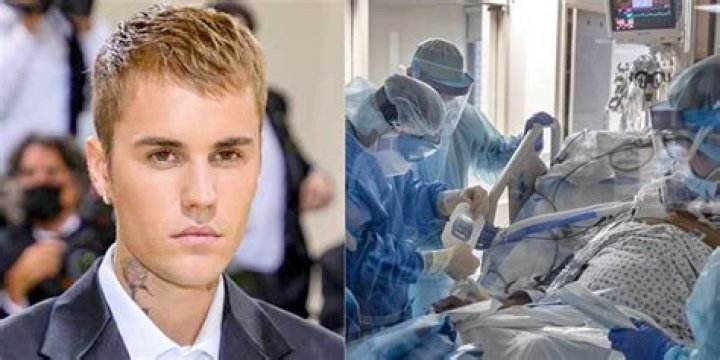
Wishing You All The Best Before And After Your Surgery

Are you looking for a way to show your support for someone who is about to have surgery? Saying "good luck" is a simple gesture that can make a big difference.
When someone is facing surgery, they are likely to be feeling anxious and stressed. They may be worried about the outcome of the surgery, the pain they may experience, or the recovery process. Saying "good luck" can help to reassure them that you are thinking of them and that you believe in them.
In addition to providing emotional support, saying "good luck" can also have a practical benefit. Studies have shown that people who receive positive encouragement before surgery have better outcomes. They are more likely to experience less pain, recover more quickly, and have fewer complications.
So, if you know someone who is about to have surgery, be sure to offer them your support. A simple "good luck" can make a big difference.
good luck on your surgery
When someone is about to undergo surgery, it is natural to want to offer them words of encouragement and support. Saying "good luck" is a simple gesture that can make a big difference in their emotional state and overall well-being. Here are seven key aspects to consider when offering your well wishes:
- Empathy: Put yourself in their shoes and try to understand what they are going through.
- Encouragement: Remind them of their strength and resilience, and let them know that you believe in them.
- Hope: Express your hope for a successful surgery and a speedy recovery.
- Optimism: Maintain a positive attitude and focus on the likelihood of a favorable outcome.
- Support: Let them know that you are there for them, both before and after the surgery.
- Respect: Understand and respect their feelings, even if you don't fully agree with them.
- Sincerity: Be genuine and heartfelt in your words, as they will be able to sense your true intentions.
By keeping these aspects in mind, you can offer meaningful support and encouragement to someone who is about to undergo surgery. Your words can make a real difference in their emotional state and overall well-being.
Empathy
Empathy is the ability to understand and share the feelings of another person. It is a crucial component of good luck on your surgery, as it allows you to provide support and encouragement that is tailored to their individual needs.
When you put yourself in the shoes of someone who is about to undergo surgery, you can begin to understand the complex emotions they are likely to be experiencing. They may be feeling anxious, scared, or even overwhelmed. By understanding their emotional state, you can offer words of comfort and support that will be meaningful to them.
For example, if you know that someone is worried about the pain they may experience after surgery, you can offer to stay with them in the hospital and help them manage their pain. Or, if you know that someone is anxious about the outcome of their surgery, you can remind them of their strength and resilience, and let them know that you believe in them.
Empathy is not always easy, but it is essential for providing good luck on your surgery. By taking the time to understand what someone is going through, you can offer them the support and encouragement they need to face their surgery with confidence.
Encouragement
Encouragement is a vital component of good luck on your surgery, as it can help to boost the patient's confidence and morale. When someone is facing surgery, they may be feeling anxious, scared, or even overwhelmed. Encouragement can help to remind them of their strength and resilience, and let them know that they are not alone.
There are many ways to offer encouragement to someone who is about to undergo surgery. You can tell them about your own experiences with surgery, or share stories of others who have successfully overcome similar challenges. You can also offer practical support, such as helping them to prepare for surgery or providing transportation to and from the hospital.
No matter how you choose to offer encouragement, it is important to be sincere and supportive. Your words can make a real difference in the patient's emotional state and overall well-being.
Here are some examples of encouraging words that you can say to someone who is about to undergo surgery:
- "I know you're feeling scared, but I believe in you. You're strong and you're going to get through this."
- "I'm here for you every step of the way. Just let me know what you need."
- "I'm thinking of you and sending you all my positive thoughts."
Encouragement can make a real difference in the life of someone who is about to undergo surgery. By offering your support and encouragement, you can help them to face their surgery with confidence and optimism.
Hope
Hope is a powerful force that can help people to overcome even the most difficult challenges. When someone is facing surgery, hope can give them the strength and courage to face their surgery with confidence.
Expressing your hope for a successful surgery and a speedy recovery is an important part of good luck on your surgery. When you express your hope, you are not only offering words of encouragement, but you are also helping to create a positive and hopeful environment for the patient.
There are many ways to express your hope to someone who is about to undergo surgery. You can tell them that you are confident in their ability to recover quickly and fully. You can also share stories of others who have successfully overcome similar challenges. Or, you can simply let them know that you are there for them and that you believe in them.
No matter how you choose to express your hope, it will be greatly appreciated by the patient. Your words can make a real difference in their emotional state and overall well-being.
Here are some examples of hopeful words that you can say to someone who is about to undergo surgery:
- "I know you're going to do great. You're strong and you're going to get through this."
- "I'm so proud of you for facing this challenge head-on."
- "I'm sending you all my positive thoughts and prayers for a successful surgery and a speedy recovery."
Hope is a powerful force that can help people to overcome even the most difficult challenges. When you express your hope to someone who is about to undergo surgery, you are not only offering words of encouragement, but you are also helping to create a positive and hopeful environment for them.
Optimism
Optimism is a key component of good luck on your surgery. When someone is facing surgery, they may be feeling anxious, scared, or even overwhelmed. Optimism can help to counteract these negative emotions and promote a more positive and hopeful outlook.
- Positive thinking: Positive thinking can help to reduce stress and anxiety, and promote a more relaxed and confident state of mind. This can be beneficial for both the patient and the surgeon, as it can create a more positive and supportive environment for the surgery.
- Visualization: Visualization is a technique that involves imagining a successful outcome. This can help to boost the patient's confidence and motivation, and reduce their fear and anxiety.
- Hope: Hope is a powerful force that can help people to overcome even the most difficult challenges. When someone is facing surgery, hope can give them the strength and courage to face their surgery with confidence.
- Prayer: Prayer can be a source of comfort and support for many people. Praying for a successful surgery can help to reduce anxiety and promote a sense of peace.
Optimism is an important part of good luck on your surgery. By maintaining a positive attitude and focusing on the likelihood of a favorable outcome, you can help to create a more positive and supportive environment for the patient. This can help to reduce their anxiety, boost their confidence, and promote a more successful surgery.
Support
Support is a crucial component of good luck on your surgery, as it can help to reduce anxiety, boost confidence, and promote a more successful recovery.
- Emotional support: Emotional support can help to reduce anxiety and stress, and promote a more positive and relaxed state of mind. This can be beneficial for both the patient and the surgeon, as it can create a more positive and supportive environment for the surgery.
- Practical support: Practical support can help to reduce the burden of surgery on the patient and their family. This can include helping with transportation to and from the hospital, preparing meals, or providing childcare.
- Companionship: Companionship can help to reduce loneliness and isolation, and provide a sense of comfort and security. This can be especially important for patients who are facing surgery alone.
- Advocacy: Advocacy can help to ensure that the patient's needs are met and that they are treated with respect. This can involve speaking up for the patient, helping them to understand their treatment options, or filing a complaint if necessary.
Support is an essential part of good luck on your surgery. By providing support to someone who is facing surgery, you can help to make their experience less stressful and more positive.
Respect
Respect is a fundamental component of good luck on your surgery, as it helps to create a positive and supportive environment for the patient. When someone is facing surgery, they are likely to be feeling a range of emotions, including anxiety, fear, and vulnerability. It is important to respect these feelings, even if you don't fully understand or agree with them.
There are many ways to show respect for someone's feelings. One way is to simply listen to them without judgment. Allow them to express their concerns and fears without interrupting or trying to change their mind. Another way to show respect is to validate their feelings. Let them know that it is okay to feel the way they do, even if you don't share their feelings.
Respect is also important in the context of decision-making. When someone is facing surgery, they have the right to make decisions about their own care. It is important to respect their decisions, even if you don't agree with them. This means providing them with all the information they need to make an informed decision, and supporting their decision once it has been made.
Showing respect for someone's feelings can make a big difference in their experience of surgery. It can help to reduce their anxiety, build trust, and promote a more positive and supportive relationship between the patient and their healthcare team.
Sincerity
When offering good luck on your surgery, sincerity is paramount. Genuine and heartfelt words carry a weight that can uplift and provide comfort to those facing surgery.
- Empathy and Understanding:
Sincerity requires putting yourself in the shoes of the person facing surgery. Understand their fears, anxieties, and hopes. Let your words reflect that you genuinely care and comprehend their emotional state.
- Tailored Support:
Sincere good luck messages are tailored to the individual. Consider their unique circumstances, personality, and relationship with you. Personalized words show that you have taken the time to think about them and offer support that resonates with their specific needs.
- Emotional Connection:
Sincerity fosters an emotional connection between you and the person facing surgery. Heartfelt words can create a sense of trust and reassurance, letting them know that they are not alone and that you are there to support them.
- Positive Impact:
Sincere good luck messages have a profound impact. They can boost morale, reduce anxiety, and instill hope in the person facing surgery. Knowing that others genuinely care and support them can make a significant difference in their emotional well-being.
In conclusion, sincerity is the cornerstone of meaningful good luck messages. By being genuine and heartfelt in your words, you can provide invaluable support, comfort, and encouragement to those facing surgery, helping them navigate this challenging time with greater strength and optimism.
Frequently Asked Questions about "Good Luck on Your Surgery"
Below are answers to some of the most frequently asked questions about "good luck on your surgery".
Question 1: What is the best way to offer good luck to someone facing surgery?
Answer: Sincerity is key when offering good luck to someone facing surgery. Your words should be genuine and heartfelt, conveying empathy, understanding, and tailored support. Let them know you care and are there for them.
Question 2: What should I avoid saying to someone before surgery?
Answer: Avoid dismissive or overly optimistic remarks that can undermine their feelings. Respect their concerns and fears, and refrain from using clichs or platitudes that may come across as insincere.
Question 3: How can I provide emotional support to someone before surgery?
Answer: Active listening and validation are essential. Create a safe space for them to express their emotions, and let them know that their feelings are valid. Offer practical support, such as helping with transportation or childcare, to reduce their burden.
Question 4: Is it appropriate to visit someone after surgery?
Answer: Yes, but it's important to be respectful of their recovery and follow their lead. Call ahead to inquire about visiting hours and the patient's preference. Keep your visit brief and focus on providing emotional support.
Question 5: What is the best way to wish someone a speedy recovery after surgery?
Answer: Express your well wishes with sincerity and specificity. Acknowledge the challenges they may face during recovery and offer tailored support. Let them know you are thinking of them and rooting for their progress.
Question 6: How can I cope with my own anxiety about a loved one's surgery?
Answer: It's natural to feel anxious about a loved one's surgery. Seek support from friends, family, or a therapist. Practice self-care activities that promote relaxation, such as exercise, meditation, or spending time in nature.
Summary: Offering good luck on your surgery is an opportunity to provide emotional support and encouragement to someone facing a challenging time. By being sincere, empathetic, and respectful, you can help create a positive and supportive environment for their surgery and recovery.
Transition to the next article section: For more information on providing support to someone facing surgery, please refer to the following resources:
Conclusion
Offering "good luck on your surgery" is more than just a well-wishing phrase; it represents a profound expression of support, empathy, and encouragement for individuals facing the challenges of surgery. This article has explored the various dimensions of "good luck on your surgery," highlighting its importance in providing emotional comfort, boosting confidence, and creating a positive environment for patients.
Through sincere expressions of well wishes, tailored support, and respectful understanding, we can contribute to the well-being of our loved ones or acquaintances undergoing surgery. By embracing the principles outlined in this article, we can make a meaningful difference in their journey toward recovery and healing.
Jordan Peterson's Son Julian Peterson: A Rising Star
Discover The Debut Masterpiece Of Brent Faiyaz: His First Song
Expert Insights From Dr. Nicole Saphier, Renowned Medical Analyst